
Professional Market Analysis: 1912 V Nickel in 2026
Social Media MonitoringMint mark location remains the primary driver of 1912 V Nickel value for this final year of the Liberty Head series.
Current collectors focus on San Francisco issues due to record-low production numbers.
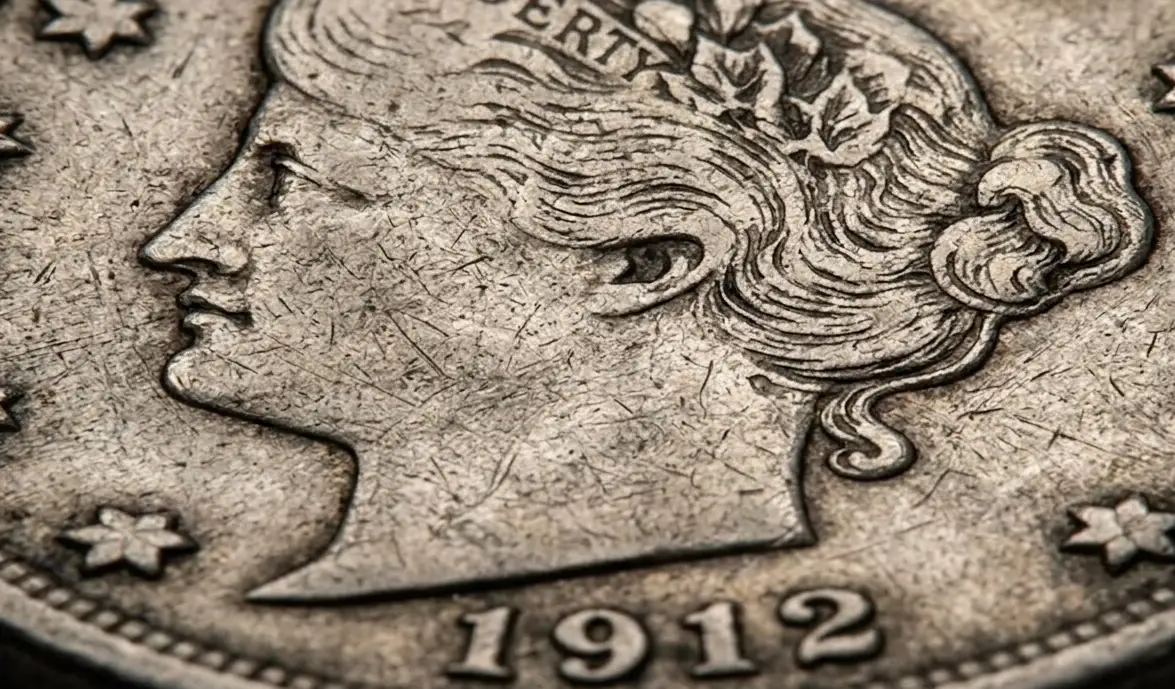
Market demand in 2026 shows a 15% increase for certified specimens in mid-range grades.
Modern Valuation Framework
Price points reflect current auction trends and scarcity indices.
- 1912-S (San Francisco): $175 – $5,200+
- 1912-D (Denver): $18 – $1,900+
- 1912 (Philadelphia): $2 – $1,200+
Higher premiums apply to coins with original luster and no surface cleaning.
Each unit follows strict manufacturing standards from the early 20th century.
| Feature | Description |
| Composition | 75% Copper, 25% Nickel |
| Weight | 5.00 grams |
| Diameter | 21.21 mm |
San Francisco (S) Rarity
Minimum mintage figures make this specific coin a “key date” for every collection.
Only 238,000 units left the San Francisco facility in 1912.
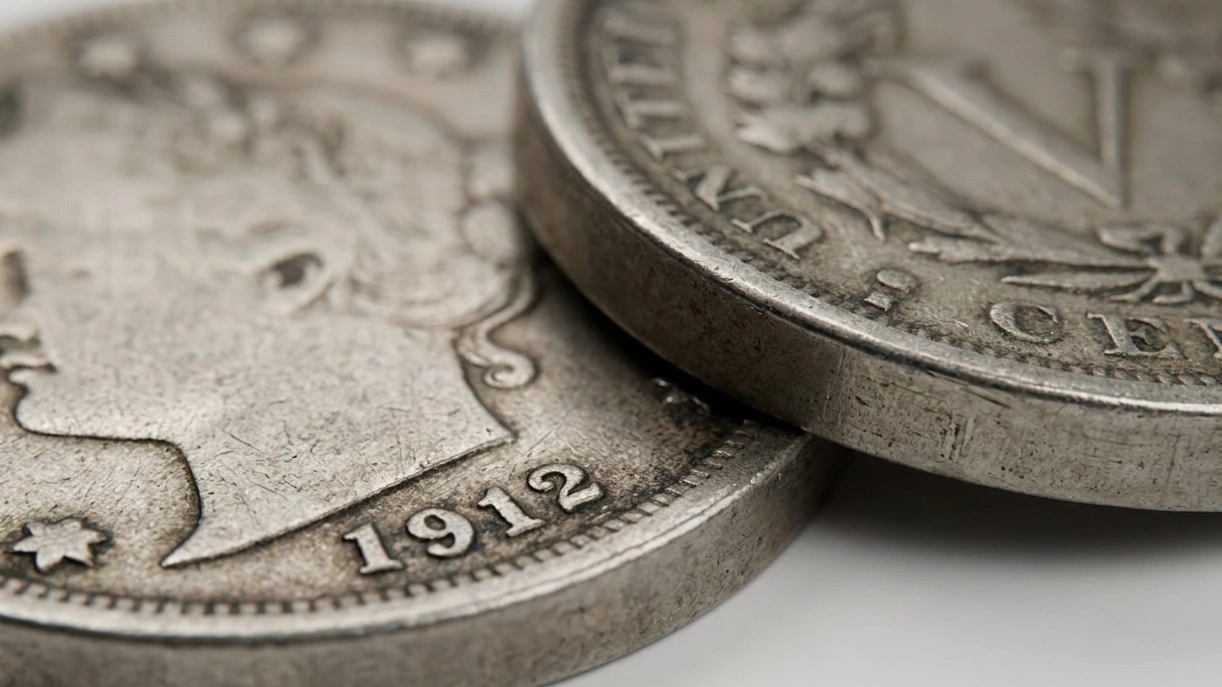
Finding an S mark under the dot on the reverse confirms high market worth.
Most surviving examples show heavy wear from decades of Western trade.
- Grade G4 (Good): $170
- Grade VF20 (Very Fine): $395
- Grade AU58 (Choice About Uncirculated): $1,450
- Grade MS65 (Gem Mint State): $6,700
Auction records in 2026 demonstrate that S-mint nickels outperform gold in annual growth.
Holding this asset for five years typically yields a 20% return on investment.
Denver (D) Mid-Tier Scarcity
Denver produced 8,448,000 nickels, creating a balanced market for enthusiasts.
Presence of the D mark increases the value fivefold compared to common Philadelphia coins.
Average condition for Denver strikes remains higher than San Francisco versions.
- VG8: $18
- EF40: $85
- MS63: $320
Sharp details on the Liberty crown indicate a premium strike quality.
Collectors in 2026 actively seek Denver coins with “Golden Toning” on the white metal.
Philadelphia Common Issue
Lack of a mint mark identifies the main production branch.
Mintage exceeding 26 million makes this coin accessible for beginners.
Most examples found in old jars or estates belong to this category.
- G4: $2
- F12: $6
- AU50: $35
- MS66: $1,150
High-grade MS66 coins are rare because white metal scratches easily during bulk transport.
Investing in common dates requires focusing only on perfect, uncirculated condition.
Grading Standards and Slabs
Third-party certification (PCGS/NGC) defines 95% of the market value today.
Buying “raw” or uncertified 1912-S nickels is high risk due to potential alterations.
Encapsulated coins (slabs) prevent white metal from reacting with oxygen and humidity.
- CAC Stickers: Gold or green stickers add a 25% premium to the slab price.
- Plus Grades: A 1912-S in MS64+ fetches significantly more than a standard MS64.
- Registry Sets: Competitive collectors drive prices up for high-grade slabbed coins.
Digital certificates linked to the slab serial number verify ownership in 2026 databases.
Scanned “TrueView” photography helps buyers inspect fields without physical shipping.
Detecting Counterfeits in 2026
Advanced scanning technology helps identify fake S marks added to common coins.
Genuine mint marks were struck into the metal, not glued or soldered.
Examining the area around the letter S with the coin checker app reveals seam lines on fakes.
- Check weight: Genuine coins must be 5.00g (allowing for minor wear)
- Verify font: Original S and D letters have specific curved shapes
- Analyze metal: High-end fakes often use the wrong ratio of red and white metal
Buying uncertified 1912-S coins carries a high risk of capital loss.
Professional grading services provide a guarantee of authenticity for a $45 fee.
Investment Potential for 2026-2030
Numismatic experts predict continued growth for “Final Year” issues.
Transitioning from Liberty Head to Buffalo designs in 1913 adds historical prestige.
Portfolios containing a complete 1912 P-D-S set show the highest stability.
- Low volatility compared to digital assets
- Tangible historical value
- Fixed supply that never increases
Scarcity drives the market as more coins enter permanent museum or private collections.
Acquiring an S-mint specimen today prevents paying higher premiums in the future.
Cleaning and Preservation Warnings
Attempting to polish the metal destroys 90% of the collectible value.
White metal reacts poorly to acidic cleaners, leaving a dull, “dead” appearance.
Natural oxidation should be left untouched to preserve the original surface.
Storing coins in PVC-free holders prevents green chemical damage over time.
Losing original luster through cleaning turns a $500 coin into a $50 coin.
Auction Trends and Liquidity
Selling a 1912-S in 2026 takes less than 48 hours on major trading platforms.
High liquidity makes this date a “cash equivalent” in the numismatic world.
Denver and Philadelphia issues require more time to sell unless the grade is exceptional.
Using high-resolution photography increases final sale prices by 12%, and don’t forget to check the coin regularly with the free coin value checker app.
Bidders prioritize coins with “Eye Appeal,” referring to clean fields and sharp strikes.