
Why Some Circulated Coins Still Sell for Hundreds: Survival Rates and Quick Value Checks
Catch a CheaterMany collectors assume that circulated coins should be inexpensive. The surface is worn, the luster is faint, and the coin looks ordinary. Yet some circulated pieces still reach high prices and remain in demand.
This happens because value depends not on shine or age but on how many coins survived, how they survived, and how collectors compete for specific dates. A coin evaluator helps identify metal, weight and even the market prices, but a real strength comes from scarcity within condition ranges, not from the production year alone.
Circulated coins hold value when the remaining supply is low, the demand is stable, and the series is well studied. Many coins that looked common at release turned out to be difficult decades later because few pieces survived in collectible grades. Understanding why this happens helps collectors avoid mistakes and recognise which circulated coins deserve closer inspection.
Common Beginner Mistakes When Judging Value
New collectors often rely on visual impressions. They judge coins by age, shine, or the overall look of the surface. These impressions feel intuitive but rarely match how the market works. Several recurring mistakes lead to incorrect assumptions about price and scarcity.
Mistake 1: Focusing only on the date and mintage.
A high mintage suggests a large supply, yet survival may be low. Many series show strong demand even with high production numbers because few original pieces lasted long in acceptable condition.
Mistake 2: Judging preservation by first glance.
Circulation wear develops slowly. A coin can look acceptable at a distance yet show dull patches, weak high points, and surface disruptions when examined under soft light.
Mistake 3: Confusing strike weakness with wear.
Some designs left the mint with weak relief. These coins may appear worn even before entering circulation. Beginners often misinterpret this and assume this weakness lowers the grade or value.
Mistake 4: Trusting random online listings.
Online marketplaces show inconsistent grading and inflated prices. These listings rarely reflect real market levels.
Mistake 5: Treating cleaned coins as “good condition.”
Cleaning removes metal and alters texture. A cleaned coin may appear bright, but the surface loses originality and value.
Misunderstanding these points makes survival rates difficult to recognise. Once collectors understand how surviving populations work, circulated coins become easier to evaluate.

What Survival Rates Mean and Why They Matter More Than Mintage
Mintage represents production, not preservation. A series may begin with millions of coins, but only a small share may remain decades later. Circulated coins often disappear for several reasons: long-term wear, metal recycling, handling damage, and the lack of early saving by collectors.
Survival rate shows the real supply. It answers the question: how many coins exist today in each grade range?
Several forces shape survival:
- Melting: Silver and gold coins were frequently melted during metal spikes.
- Wear: Heavy circulation erases detail and reduces the number of coins in collectible grades.
- Strong demand: Some series attracted collectors early, but others did not, leaving few saved examples.
- Environmental damage: Corrosion, pitting, and discolouration remove pieces from the collectible pool.
This explains why a coin with a high mintage may still sell for hundreds. If very few pieces survived in Fine, Very Fine, or Extremely Fine, the remaining examples gain value. Collectors do not buy coins based on how many were minted. They buy based on how many still exist.
Why Circulated Coins Can Still Reach High Prices
Once survival rates become clear, pricing becomes easier to understand. A circulated coin may be worth several hundred dollars when three conditions align.
1. Limited supply in mid-grade levels.
Collectors often seek complete sets in grades above Good. If only a few coins survive in these grades, competition intensifies even for circulated examples.
2. Strong demand within the series.
Popular series attract a deep collector base. These buyers want full date-and-mintmark sets, which concentrates demand around scarce dates.
3. Short production runs or design changes.
Some coins were struck for only one or two years. These series have a natural limit, and collectors quickly discover which dates are hardest to find.
4. Varieties discovered after circulation.
Some rare varieties entered circulation unnoticed. When discovered years later, survivors may show uneven wear, but scarcity remains strong.
5. Strike quality limiting high grades.
Some issues were poorly struck, which reduces the number of coins capable of reaching higher grades. Even lightly circulated examples may carry premiums because uncirculated pieces are rare.
These factors explain why a worn coin still holds value. The market evaluates scarcity within the grade, not the absolute number of coins produced.
Examples of Circulated Coins That Still Sell for Hundreds
These coins illustrate how survival rates shape value. They remain in demand even in lower or mid-level grades because few strong surviving pieces exist.
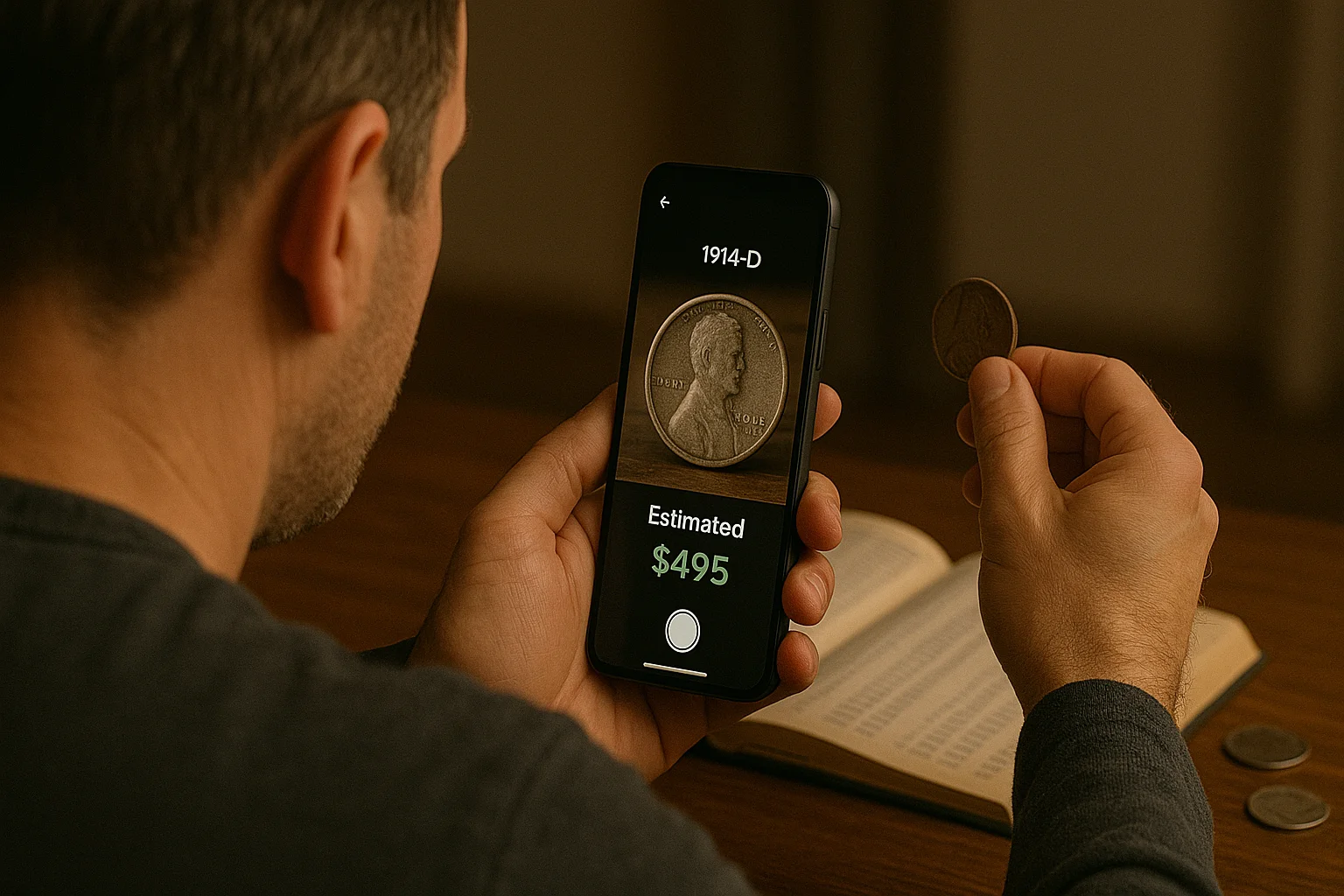
1914-D Lincoln Cent
A key date with a low mintage and extremely low survival in Fine and above. Many pieces circulated heavily before collectors recognised the rarity. Even worn examples show strong demand.
1931-S Lincoln Cent
Although the mintage is moderate, most coins were saved in rolls, leaving far fewer high-quality circulated pieces than expected. Mid-grade examples remain firm in price.
1926-S Buffalo Nickel
One of the toughest dates in the series. Poor strike quality and heavy wear reduced the surviving supply. Even coins with moderate circulation can reach high prices.
1937-D 3-Legged Buffalo Nickel
A well-known variety that circulated widely before collectors identified it. Many pieces show strong wear, yet remain costly because the variety is scarce and heavily collected.
1932-D and 1932-S Washington Quarters
Both dates mark the introduction of the Washington Quarter design. Production was low, and many pieces circulated for decades, creating strong demand in all grades.
These examples show how scarcity within circulated grades drives value even when the mintage is not exceptionally low.
How to Evaluate Circulated Coins Correctly
Evaluation begins with a structured review of the coin itself. The goal is to recognise wear patterns, identify surface changes, and place the coin within an appropriate grade range. A coin appraisal app helps compare reference images and standard descriptions, but judgment comes from studying the coin directly.
1. Confirm authenticity.
Weight, diameter, edge, and metal composition must match the original specifications.
2. Check high points for wear.
Designs lose detail on raised sections first. These areas define the grade.
3. Inspect luster and texture.
Breaks in luster reveal circulation. Cleaning shows unnatural brightness or parallel hairlines.
4. Evaluate contact marks.
Circulated coins often show nicks and scratches. The size, number, and location of marks influence the final grade.
5. Compare with certified examples.
Studying slabbed coins builds a clearer sense of how grades differ.
6. Avoid relying on first impressions.
Strong lighting and magnification reveal details not visible at a glance.
Coin ID Scanner offers structured coin cards, stores measurements, and helps organise early notes. It does not assign grades, but helps you to study and estimate coins better before a deeper evaluation.
How Survival Rates, Condition and Demand Interact in Pricing
Pricing reflects how three forces interact. Survival rate defines how many coins remain. The condition shows how many of these coins are still attractive. Demand shows how many collectors compete for them.
A coin becomes valuable when the surviving supply is small, the condition level is desirable, and the series attracts active buyers. Even circulated coins meet these conditions when mid-grade examples are scarce or when varieties emerged unnoticed during circulation.
The market rewards coins that remain difficult to replace, regardless of age or surface brightness. Collectors learn to combine these factors as they review new finds. Over time, it becomes clear why some circulated coins still sell for hundreds while others hold little interest.
And if you are just starting your way in coin collection and need quick answers about the prices, try the coin worth app. It helps review typical price ranges and even offers the blog where you can see expert reviews, tips and other numismatic info. Study and explore coins easily.